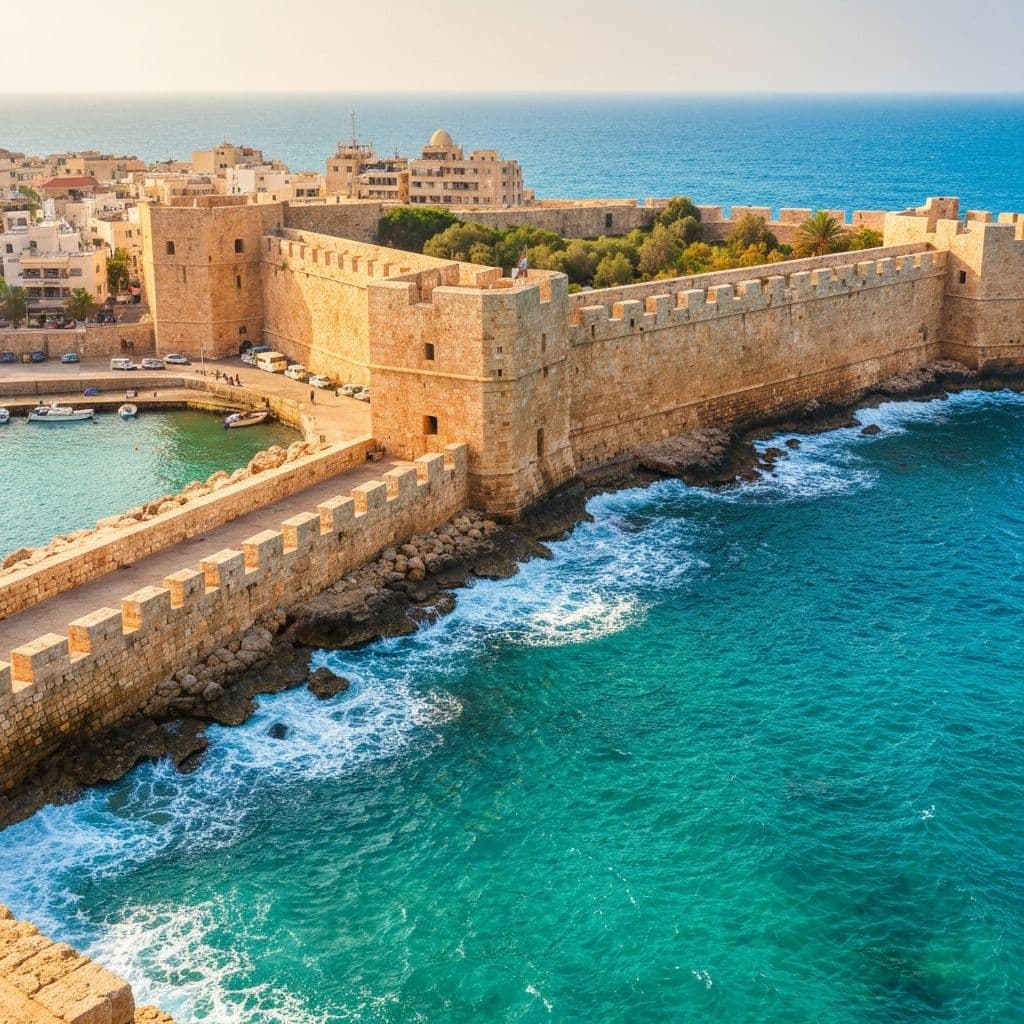
Upper Cavern
A 750-metre walking gallery housing some of the largest known stalactites — including one nearly 8 metres long.
Keserwan — Mount Lebanon
Two interconnected limestone caves with stalactites, stalagmites, and an underground river you cross by boat.
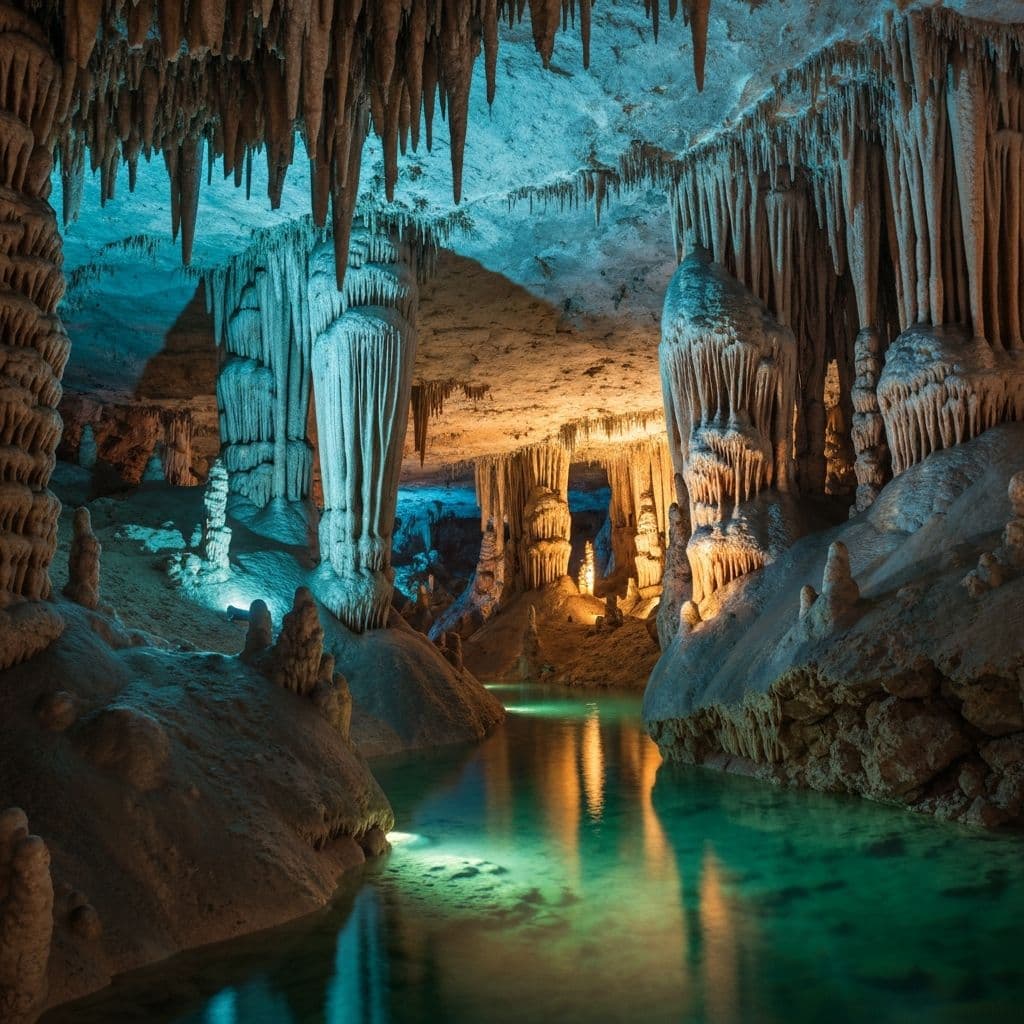
A magnificent system of two separate but interconnected limestone caves. Explore the upper galleries on foot and take a short boat ride through the lower river gallery to see incredible stalactites and stalagmites.
The shortlist we always send first. If you have only one afternoon, start here.
A 750-metre walking gallery housing some of the largest known stalactites — including one nearly 8 metres long.
The river gallery, traversed silently by electric boat through emerald water and limestone curtains.
A short cable-car and miniature train link the entrance to the cave openings — half the fun.
The corners that don't always make the guidebooks but reward the curious.
Jeita was a finalist in the New 7 Wonders of Nature campaign — and the country’s most-visited natural site.
Cameras are not permitted inside the caves; storage lockers are provided at the entrance.
Where the place comes alive — concerts, festivals, beach clubs, and the best ways to fill an evening.
Short hikes from the parking area drop into the wadi for very different views of the cliff.
A natural day-trip pairing — the Roman Faqra ruins and the Bridge of God natural arch are 30 minutes uphill.
Tested addresses across categories — from village mountain food to fine modern Lebanese.
A short drive uphill in Broumana — Lebanese mezze with one of the best valley views in the country.
Down the mountain in central Beirut — a smart lunch spot if you’re combining the cave with the city.
An easy roadside option just below Jeita on the way back into Beirut.
Locally made, locally sourced, and small enough to fly with — what to actually buy.
Polished limestone and Lebanese fossils from the on-site shop.
The Keserwan road on the way back is dotted with workshops carving cedar-wood crosses, boxes, and bowls.
Continue the field guide