Jeita Grotto
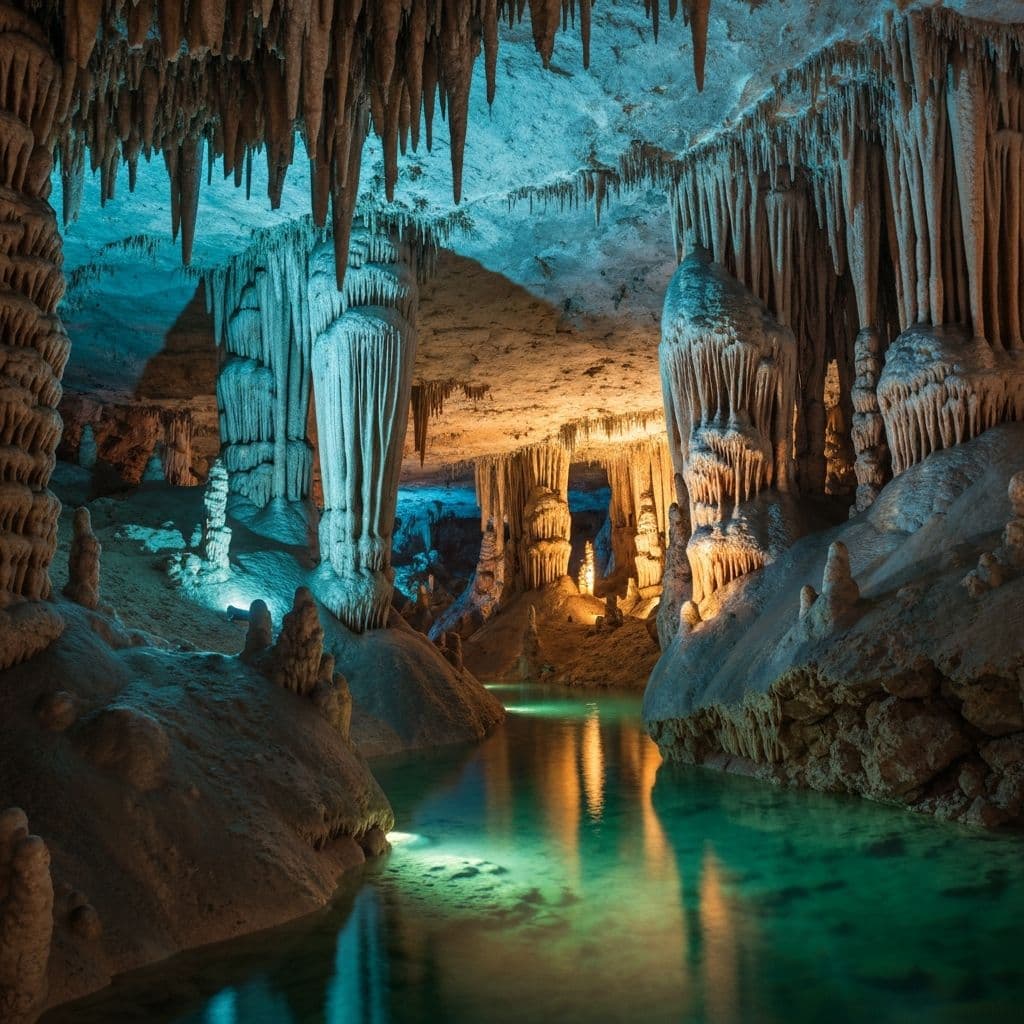
A magnificent system of two separate but interconnected limestone caves. Explore the upper galleries on foot and take a short boat ride through the lower river gallery to see incredible stalactites and stalagmites.
- —Upper Cavern. A 750-metre walking gallery housing some of the largest known stalactites — including one nearly 8 metres long.
- —Lower Cavern. The river gallery, traversed silently by electric boat through emerald water and limestone curtains.
- —Cable car & funicular. A short cable-car and miniature train link the entrance to the cave openings — half the fun.
The Cedars of God
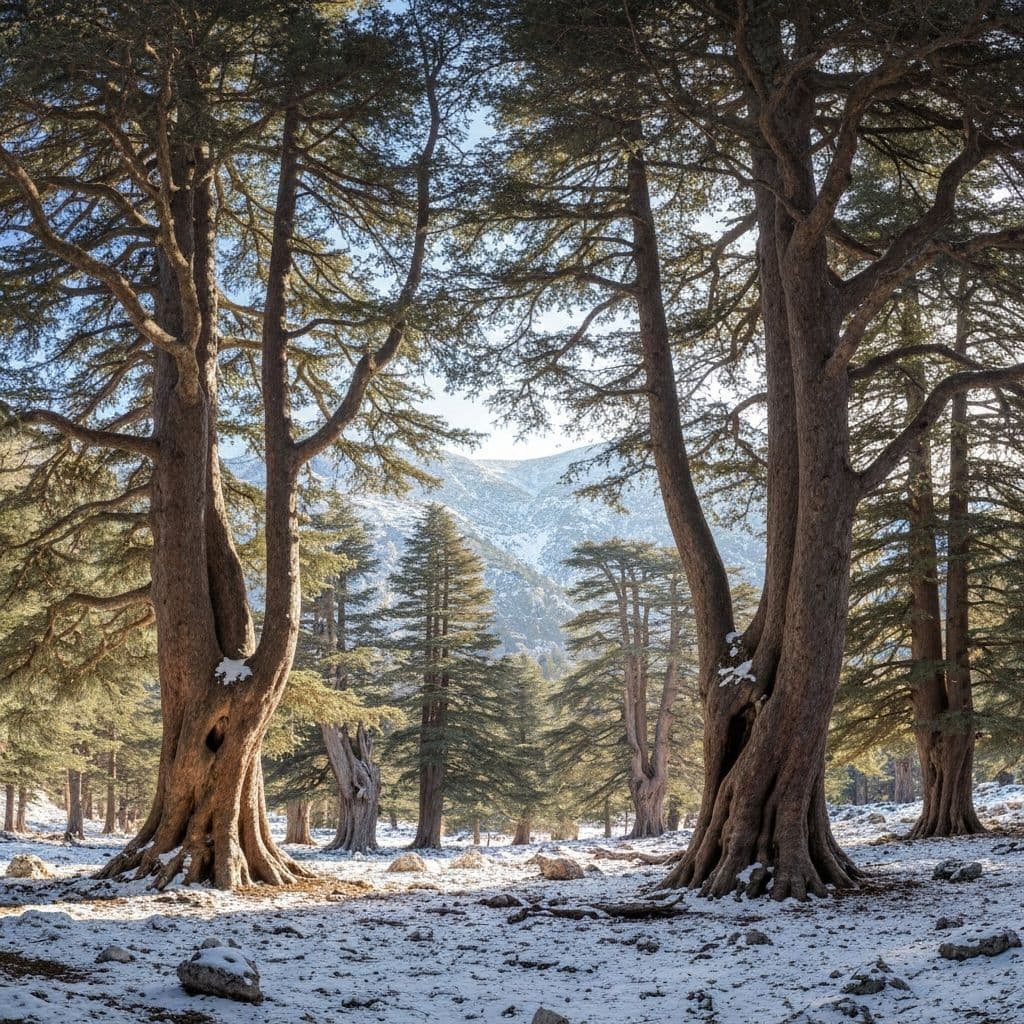
Located in the high mountains of the North, this is one of the last remaining forests of the Cedrus libani, Lebanon's national symbol. Nearby, you can visit the Gibran Museum, dedicated to the famous poet Kahlil Gibran.
- —Gibran Museum. In Bcharre, the converted monastery housing Kahlil Gibran’s manuscripts, paintings, and tomb.
- —Qadisha Valley. The "Holy Valley" below — a UNESCO landscape of cliff-side monasteries, hermitages, and waterfalls.
Tyre (Sour)
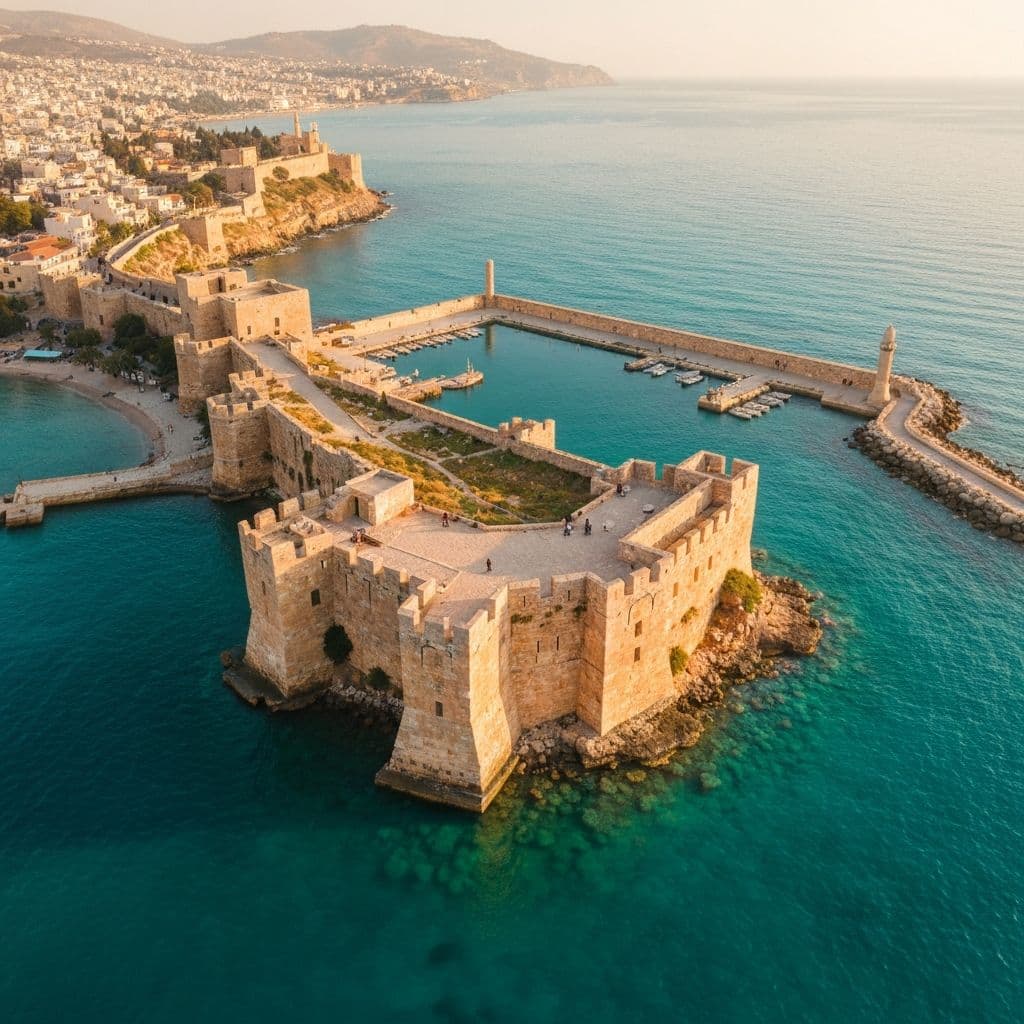
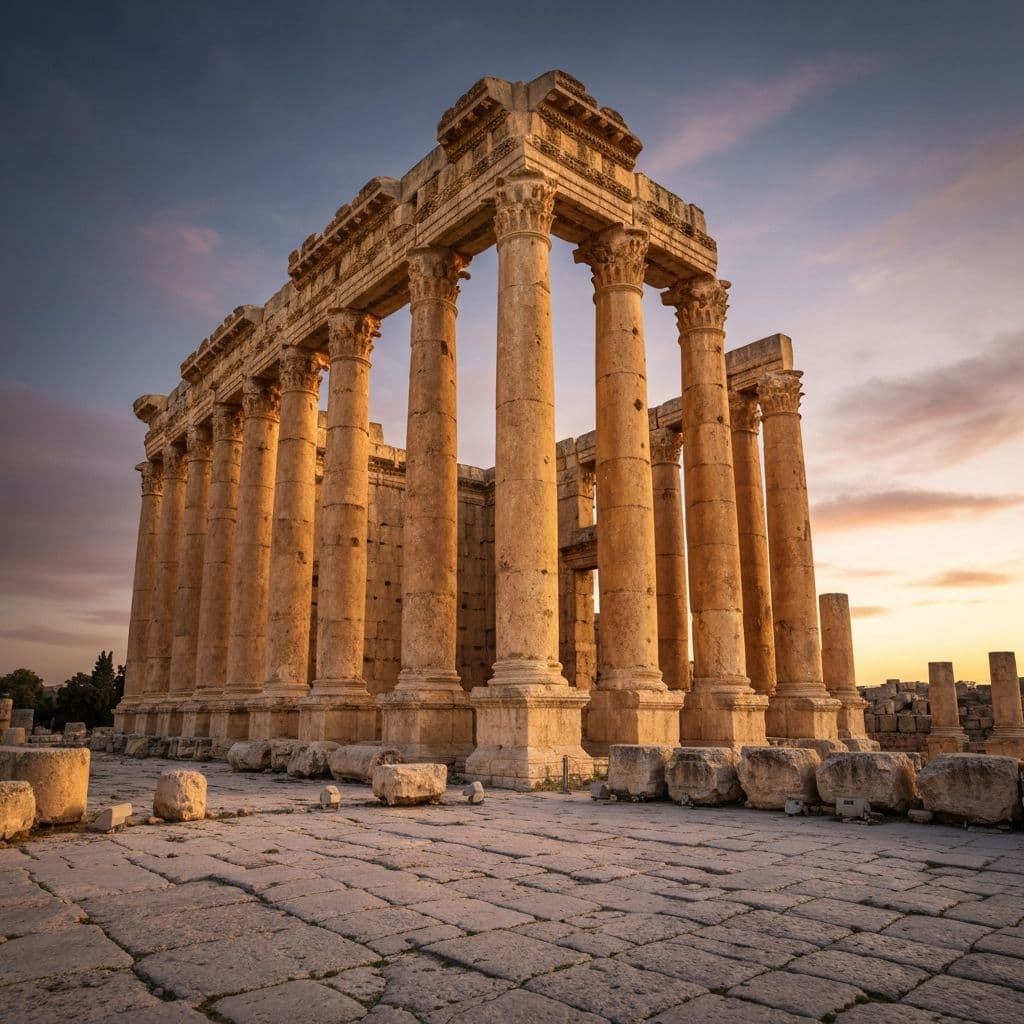
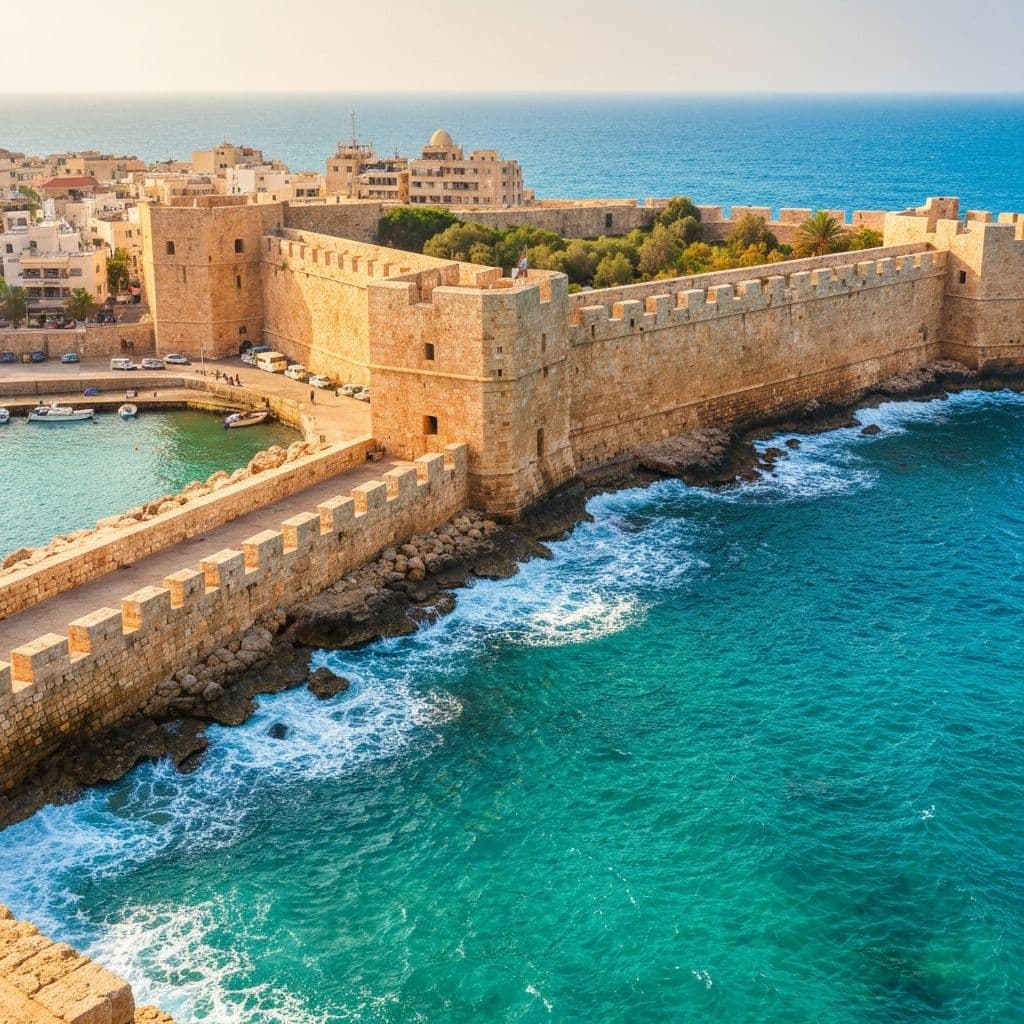
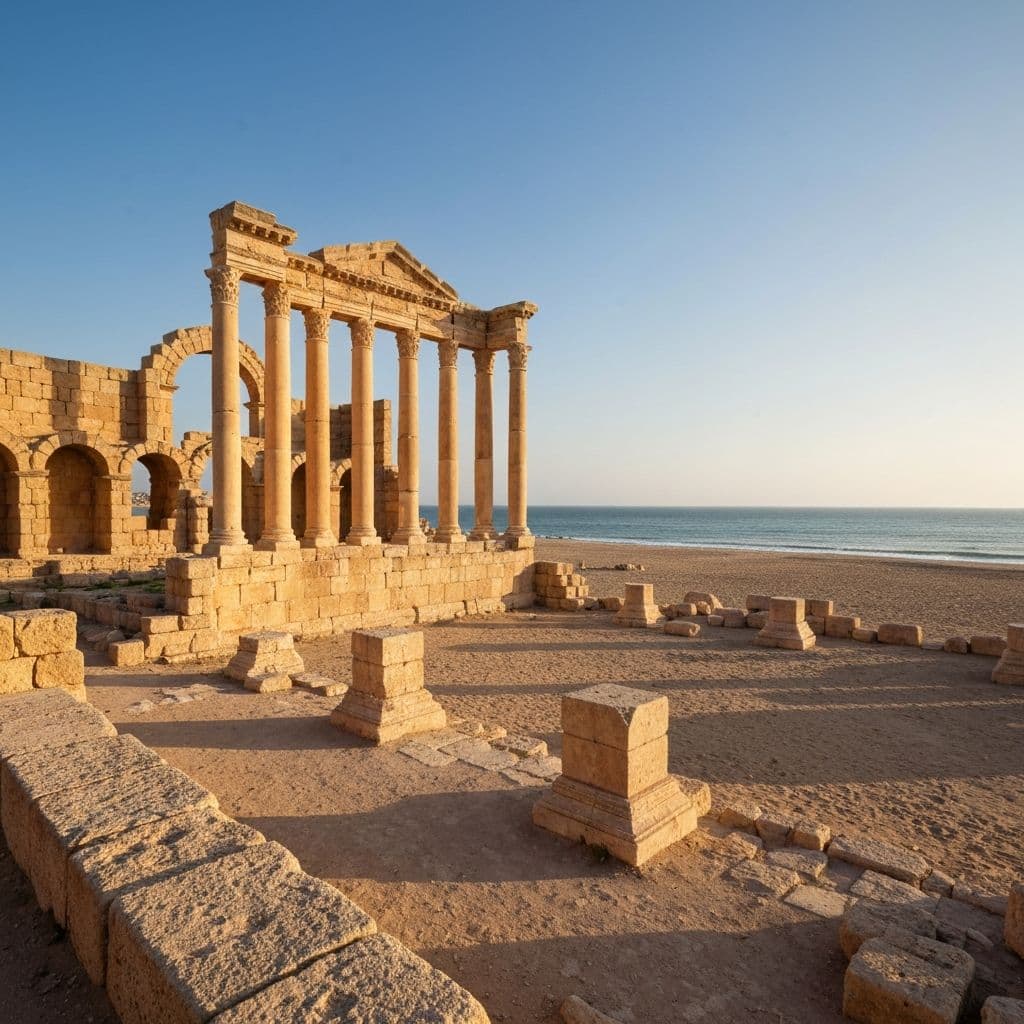
Known for its pristine sandy beaches and massive Roman archaeological sites, including a well-preserved Hippodrome.
- —Al-Bass Hippodrome. One of the largest Roman hippodromes ever found — 480 metres long, with a triumphal arch still standing.
- —Al-Mina Site. The seafront archaeological zone with a Roman bathhouse, colonnade, and remains of the Phoenician harbor.
- —Christian Quarter. The maze of pastel houses and bougainvillea behind the fishing port.
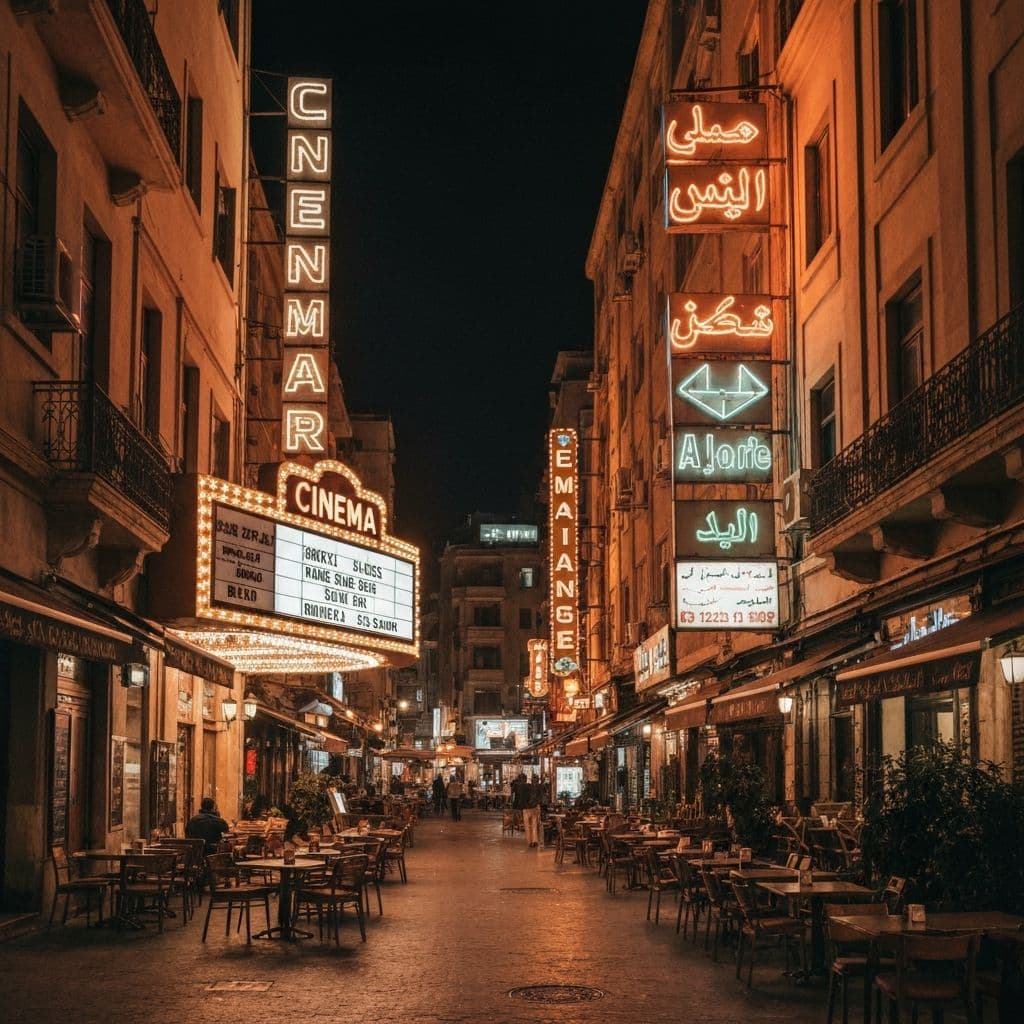
Hamra Street
Historically known as the "Champs-Élysées" of the Middle East, it remains a bustling hub of intellectual life, bookstores, and street cafes.
- —American University of Beirut. A 1866 campus of stone arcades, century-old trees, and a small archaeological museum — open to visitors.
- —AUB Archaeological Museum. The third-oldest museum in the region — a small, very well-curated collection of Phoenician and Bronze Age artefacts.
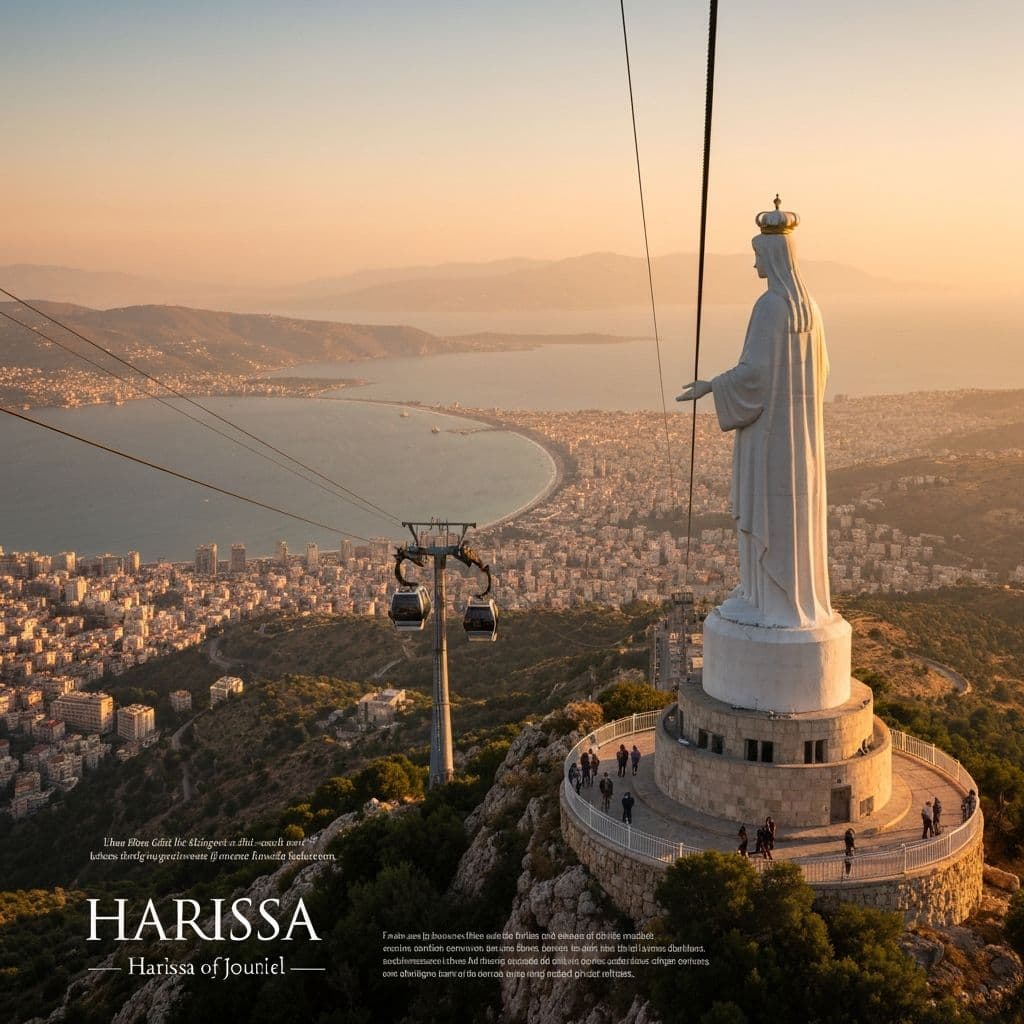
Harissa & Jounieh
Take the Teleferique (cable car) from Jounieh up to the Our Lady of Lebanon statue in Harissa for a panoramic view of the Mediterranean coast.
- —Our Lady of Lebanon. The 1908 white-bronze statue and pilgrimage shrine, with a 360° view from the rooftop chapel.
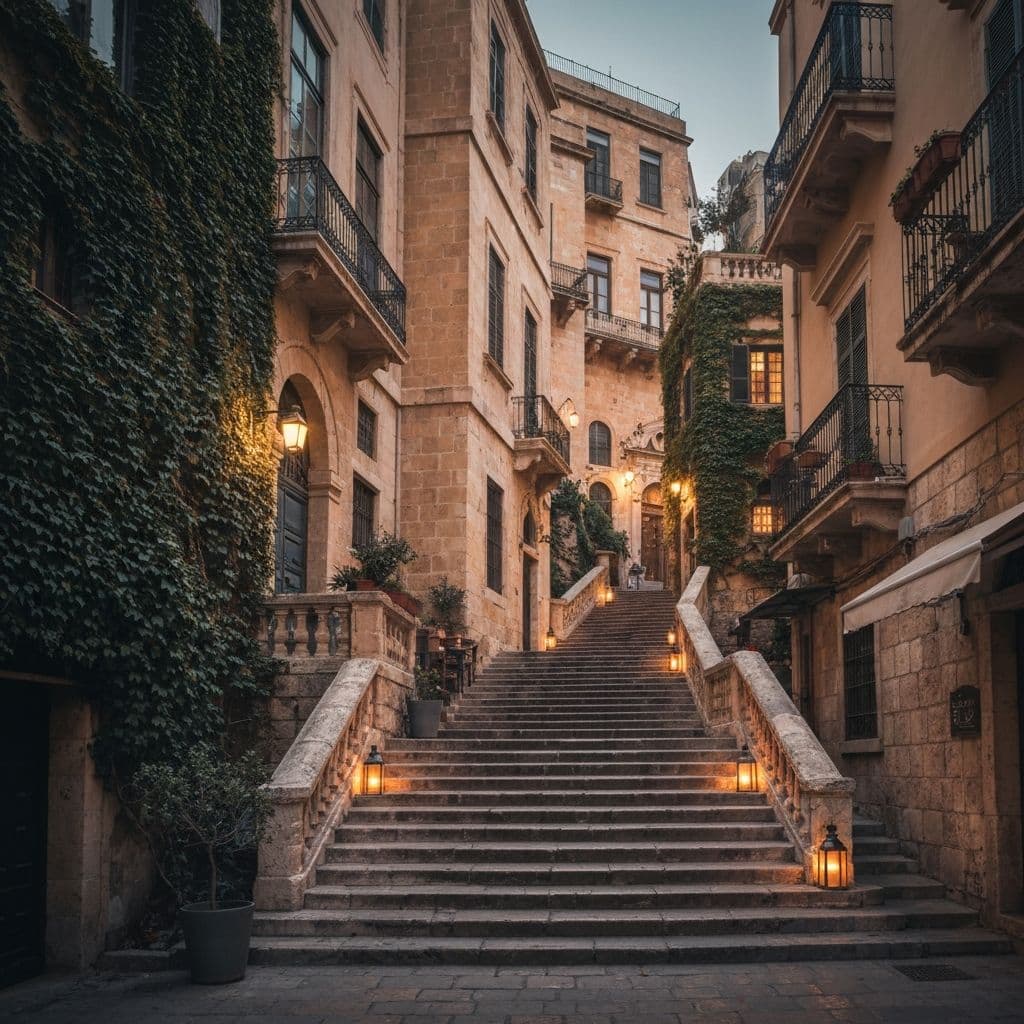
- —Jounieh Old Souk. Sandstone houses and arcades along the harbor — preserved despite the city growing around it.
Beiteddine & Deir el Qamar
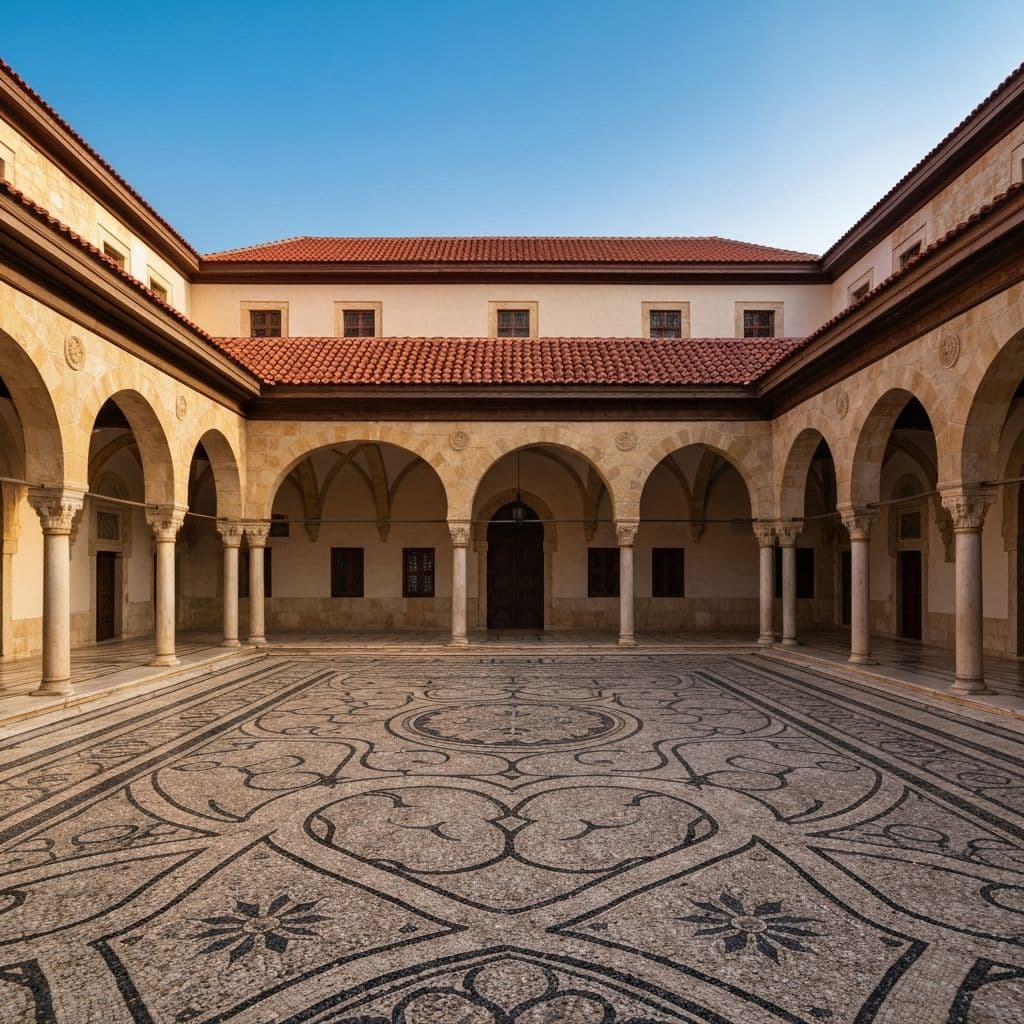
Located in the Chouf mountains, the Beiteddine Palace is a masterpiece of 19th-century Lebanese architecture. Just nearby is Deir el Qamar, a picturesque village with red-tiled roofs and stone houses that served as the capital of Mount Lebanon.
- —Beiteddine Palace. The 200-year-old palace of Emir Bashir Shihab II — courtyards, hammams, and one of the finest mosaic collections in the Levant.
- —Mir Amin Palace. A second 19th-century palace built by Bashir for his son — now a heritage hotel with a panoramic terrace.