Al-Bass Hippodrome
One of the largest Roman hippodromes ever found — 480 metres long, with a triumphal arch still standing.
South Lebanon — Coast
Pristine sandy beaches and Roman archaeology, including a remarkably preserved Hippodrome.
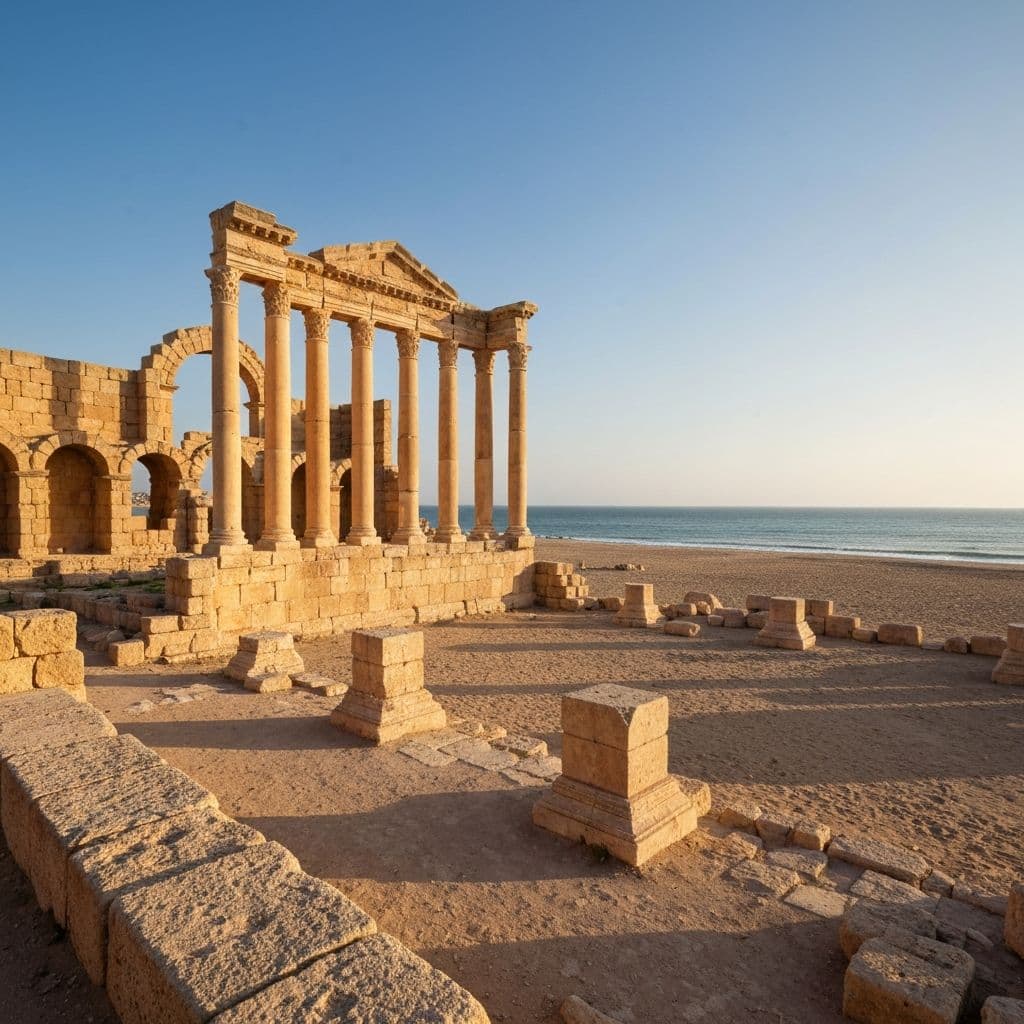
Known for its pristine sandy beaches and massive Roman archaeological sites, including a well-preserved Hippodrome.
The Christian Quarter near the port is filled with colorful alleys and boutique bars and restaurants like Cloud 59 on the beach.
The shortlist we always send first. If you have only one afternoon, start here.
One of the largest Roman hippodromes ever found — 480 metres long, with a triumphal arch still standing.
The seafront archaeological zone with a Roman bathhouse, colonnade, and remains of the Phoenician harbor.
The maze of pastel houses and bougainvillea behind the fishing port.
Lebanon’s largest sandy beach and a protected nesting site for loggerhead and green sea turtles.
The corners that don't always make the guidebooks but reward the curious.
Modern Tyre still has glassblowers using Phoenician techniques — workshops welcome visitors.
A monumental sarcophagus 6 km out of town, popularly attributed to the Phoenician king who supplied cedars to Solomon.
Where the place comes alive — concerts, festivals, beach clubs, and the best ways to fill an evening.
A barefoot beach club on the reserve — sundowners, music, and weekend DJs.
A more polished beach-club option with daybeds and lunch service.
The catch comes in just after sunrise — coffee in a portside café is the local ritual.
Tested addresses across categories — from village mountain food to fine modern Lebanese.
A harbor-side classic for grilled sea bass and Lebanese mezze.
A pretty restored old house in the Christian Quarter — modern Lebanese plates and a good wine list.
Local favorite for fish kibbeh and samkeh harra — a southern speciality of spicy fish with tahini.
Locally made, locally sourced, and small enough to fly with — what to actually buy.
Hand-blown glass tumblers and small bottles in Mediterranean blues and greens.
Modern scarves and linens dyed in the deep red-purple that made Tyre famous in antiquity.
Single-mill, cold-pressed oil from the Sour hinterland — sold at small co-ops.
Continue the field guide